Winter in Northern Colorado can arrive quickly. One week, you’re enjoying mild fall temperatures. The next, you’re scraping ice off your windshield and driving through snow.
Cold weather can make your car harder to start, reduce tire pressure, and reveal problems with your heating or cooling system. Whether you’re commuting around Fort Collins or heading into the mountains, preparing your vehicle now can help prevent unexpected breakdowns later.
Not sure where to start? Use this winter car maintenance checklist to make sure your vehicle is ready for Colorado’s colder months.
Key Takeaways
- Cold weather can affect your battery, tires, engine fluids, and heating system.
- Check your tires, brakes, coolant, lights, and windshield wipers before winter.
- A weak battery may struggle to start your vehicle in freezing temperatures.
- Winter tires can improve traction on snowy and icy roads.
- A professional winterization inspection can help identify problems before they become expensive repairs.
Why Winter Car Maintenance Matters in Northern Colorado
Fort Collins drivers know how quickly Colorado weather can change. Mild afternoons can turn into freezing mornings, and melting snow can refreeze overnight.
Winter conditions create several challenges for your vehicle:
- Sudden temperature drops: Cold weather can make weak batteries more likely to fail.
- Changing tire pressure: Tire pressure decreases as temperatures fall.
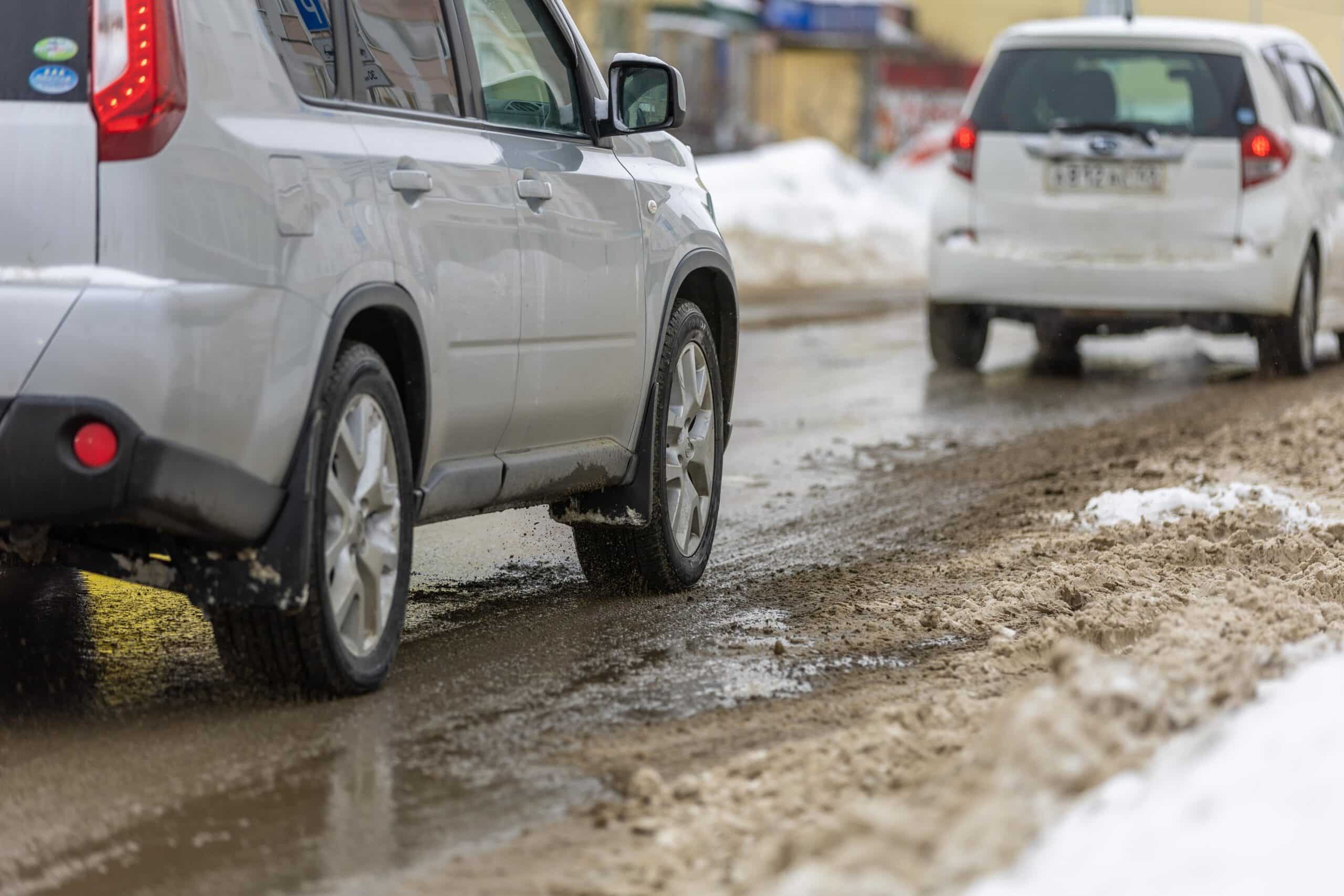
- Snow and ice: Slippery roads make tire traction and braking performance especially important.
- Road treatments: Salt and deicing products can contribute to corrosion.
- Mountain travel: Steep grades and winter road conditions place additional demands on your vehicle.
Taking care of routine maintenance before winter can help you avoid inconvenient breakdowns and stay safer on the road.
Your Winter Car Maintenance Checklist
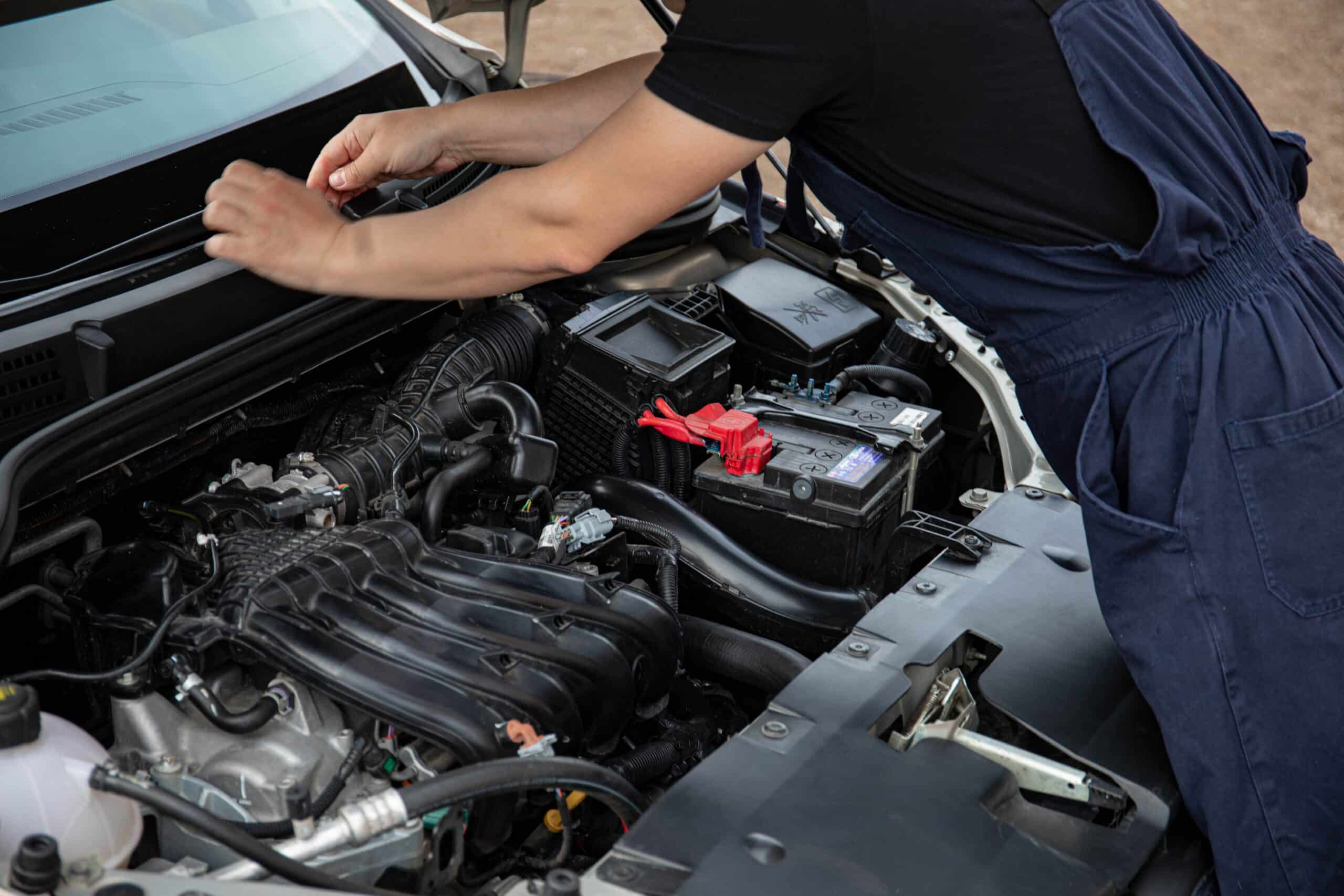
1. Test Your Car Battery
Cold weather is particularly hard on car batteries.
Freezing temperatures reduce the power available from traditional lead-acid batteries. At the same time, cold engines can require more energy to start.
If your battery is already weak, the first freezing morning could be when it stops working.
Signs your battery may need attention include:
- Slow engine cranking
- Difficulty starting
- Frequent jump-starts
- Corrosion around the battery terminals
- A battery that’s several years old
If you’ve noticed any of these symptoms, have your battery tested before temperatures drop.
A quick battery test can help determine whether it has enough starting power for winter.
2. Check Your Tires and Tire Pressure
Your tires are your vehicle’s only point of contact with the road, making their condition especially important during winter.
Worn tread can reduce traction on wet, snowy, and icy surfaces. Low tire pressure can also affect handling and tire wear.
As temperatures fall, tire pressure typically drops by approximately 1 PSI for every 10°F decrease.
Before winter, check your:
- Tire tread depth
- Tire pressure
- Uneven tread wear
- Cracks, bulges, or visible damage
- Spare tire, if equipped
Always use the tire pressure recommended by your vehicle manufacturer.
Should You Switch to Winter Tires?
Winter tires use specialized rubber compounds and tread patterns designed for cold temperatures, snow, and ice.
If you frequently drive in winter conditions or travel into the mountains, dedicated winter tires may be worth considering.
For winter tire installation, tire inspections, or help choosing the right tires, visit McCormick Quality Tires and Lube.
3. Check Your Coolant and Antifreeze
Your cooling system does more than prevent your engine from overheating in summer.
Coolant also protects your engine against freezing temperatures and corrosion.
Before winter, make sure your vehicle has the correct coolant type, proper concentration, and adequate fluid levels.
Low coolant or an improper mixture can reduce freeze protection and affect your heating system.
A technician can test your coolant and inspect the system for leaks or worn components.
4. Test Your Heater and Defroster
Your car heater keeps you comfortable, but it also plays an important role in winter visibility.
A properly functioning defroster helps clear fog and frost from your windshield.
Watch for warning signs such as:
- Cold or lukewarm air from the vents
- Weak airflow
- Unusual smells
- Slow cabin heating
- Windows that don’t defrost properly
These problems can indicate issues with your coolant, thermostat, heater core, or blower motor.
If your heater isn’t performing as expected, have it inspected before freezing weather arrives.
5. Inspect Your Windshield Wipers and Washer Fluid
Snow, slush, and road spray can make it difficult to see while driving.
Worn wiper blades may leave streaks or struggle to clear your windshield.
Before winter, replace damaged wipers and make sure your washer fluid is rated for freezing temperatures.
Don’t forget to check your rear wiper if your vehicle has one.
6. Have Your Brakes Inspected
Reliable brakes are important year-round, but winter road conditions make their performance even more critical.
Have your brakes inspected if you notice:
- Squealing or grinding noises
- Vibration while braking
- A soft or spongy brake pedal
- Pulling to one side
- A brake warning light
A professional inspection can identify worn brake pads, damaged rotors, or other problems before winter driving begins.
7. Check Your Lights, Belts, and Hoses
Shorter days and poor visibility make working headlights, brake lights, and turn signals especially important.
Take a few minutes to check your exterior lights.
You should also have your belts and hoses inspected for cracking, leaks, and signs of wear.
Cold temperatures can expose weaknesses in aging components, potentially leading to unexpected breakdowns.
8. Stay on Top of Oil Changes
If you’re approaching your next scheduled oil change, consider taking care of it before winter.
Engine oil needs to flow properly in cold temperatures to protect moving components.
Always use the oil viscosity recommended by your vehicle manufacturer.
You don’t need an extra oil change simply because winter is approaching. Staying on schedule is what matters most.
What Winter Maintenance Can You Do at Home?
Some winter car maintenance tasks are easy to handle yourself.
| Check at Home | Have a Mechanic Inspect |
| Tire pressure | Battery condition |
| Windshield wipers | Coolant freeze protection |
| Exterior lights | Brakes and suspension |
| Washer fluid | Heating system problems |
| Visible tire damage | Fluid leaks and worn components |
If something doesn’t seem right, a professional inspection can help identify the cause before it becomes a larger problem.
Understanding Colorado’s Winter Traction Laws
If you travel into the mountains during winter, make sure your vehicle meets Colorado’s traction requirements.
When Colorado’s Passenger Vehicle Traction Law is active, drivers must use qualifying tires or approved traction devices. Requirements depend on vehicle type, tire condition, and road restrictions.
Under applicable traction-law conditions, qualifying tires generally need at least 3/16-inch tread depth. More restrictive chain requirements may apply during severe weather.
Before heading into the mountains, check the latest requirements through the Colorado Department of Transportation.
What Should You Keep in Your Car During Winter?
Even a well-maintained vehicle can encounter unexpected winter conditions.
Keep a basic emergency kit in your vehicle with:
- Ice scraper and snow brush
- Warm blankets and extra clothing
- Flashlight
- Phone charger or portable power bank
- Jumper cables or portable jump starter
- Small shovel
- First-aid kit
- Water and nonperishable snacks
- Reflective warning triangles
If you’re traveling into the mountains, consider carrying additional supplies in case of road closures or extended delays.
Why Schedule Winter Car Maintenance Before the First Snow?
It’s tempting to wait until temperatures drop before thinking about winter maintenance.
However, the first major cold snap often reveals problems with batteries, heaters, and tires. That can make scheduling repairs more difficult when everyone needs service at once.
Planning ahead gives you time to address potential problems without the pressure of an unexpected breakdown.
Not every maintenance recommendation needs immediate attention, either.
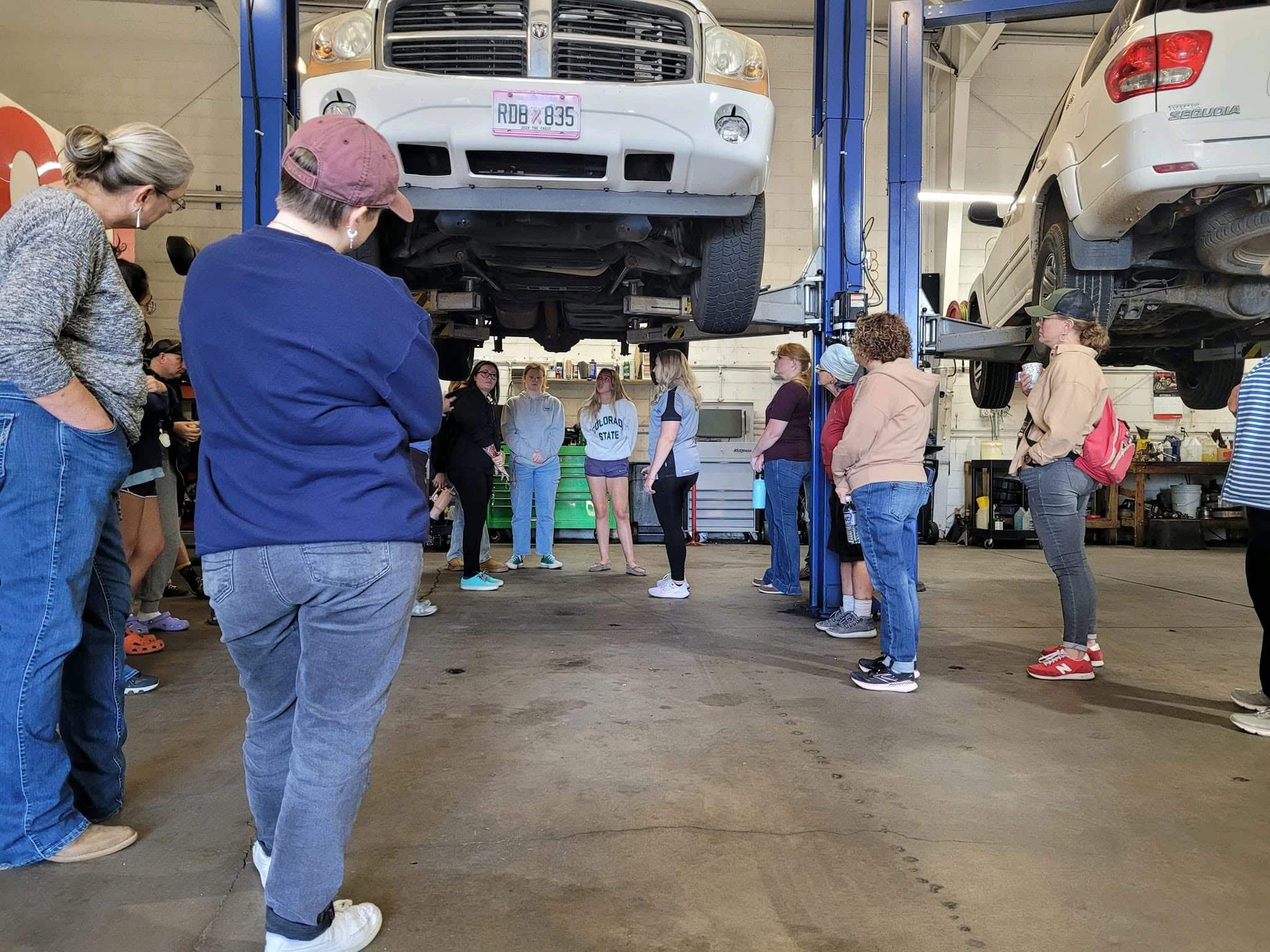
At McCormick Automotive, our digital safety inspections include photos so you can see what we’re seeing. We’ll explain which issues need attention now, which can be monitored, and what can wait.
Our goal is to help you make informed decisions about your vehicle without unnecessary pressure.
Winter Car Maintenance FAQs
When should I winterize my car in Colorado?
Early fall is a good time to prepare your vehicle for winter. Scheduling an inspection before the first major snowfall gives you time to address potential problems.
Does cold weather affect car batteries?
Yes. Cold temperatures reduce the starting power available from traditional lead-acid batteries. If your battery is older or your engine starts slowly, have it tested before winter.
Do I need winter tires in Fort Collins?
Not necessarily, but winter tires can provide better traction in cold, snowy, and icy conditions. They’re particularly worth considering if you regularly travel into the Colorado mountains.
How much does it cost to winterize a car?
The cost depends on your vehicle’s condition and the services it needs. Some vehicles may only need an inspection and routine maintenance, while others require repairs or replacement parts.
Get Your Car Ready for Winter at McCormick Automotive
The McCormick name has served Fort Collins drivers since 2007 with a simple philosophy: Do it right. Do it honestly.
Our team helps Northern Colorado drivers prepare for changing weather with professional inspections, honest recommendations, and dependable automotive service.
We provide digital safety inspections with photos, a free local shuttle, and warranty coverage on qualifying repairs.
Whether you’re preparing for your daily commute or a winter road trip, we’re here to help you get your vehicle ready.
Don’t wait for the first snowstorm. Schedule your vehicle winterization service with McCormick Automotive and head into winter with confidence.