A dead car battery can turn an ordinary morning into a major inconvenience. Your vehicle ran just fine yesterday, but today you turn the key and nothing happens. Fortunately, batteries often show signs of trouble before they fail completely.
Summer heat, battery age, driving habits, and everyday wear can all weaken a car battery. You may not notice the damage right away. In fact, a battery that struggles through a hot summer may not show obvious symptoms until colder weather arrives.
Knowing the signs of a weak car battery can help you act before you’re stranded. Here’s what to watch for and when it may be time to test or replace your car battery.
Why Car Batteries Can Struggle After Summer
Cold weather gets much of the blame for battery problems, but summer heat can also take a toll. High temperatures can speed up the chemical reactions inside a battery. Over time, heat can contribute to internal deterioration and shorten battery life. Then, when temperatures start to fall, an already weakened battery may struggle to provide enough power to start your engine.
That’s why late summer and early fall are good times to check your battery. Testing it now can help identify problems before colder Colorado mornings put additional demands on it.
Not sure how much life your battery has left? Schedule a battery test with McCormick Automotive before the seasons change.
7 Signs of a Weak Car Battery
A battery doesn’t always fail without warning. Pay attention to changes in how your vehicle starts and how its electrical systems perform.
1. Your Engine Is Slow to Start
A slow-starting engine is one of the most common signs of a weakening battery.
Normally, your engine should start quickly after you turn the key or press the start button. If you hear slow cranking or notice that your vehicle takes longer to start, your battery may be losing strength.
Don’t wait until slow cranking becomes a dead car battery. Have the battery tested to determine whether it still has enough power for reliable starts.
2. A Battery or Check Engine Light Is On
Dashboard warning lights deserve attention.
A battery warning light can point to an issue with your vehicle’s charging system. However, it doesn’t automatically mean you need to replace the battery. Problems with the alternator or other electrical components can cause similar symptoms.
A check engine light may also appear for many different reasons. Professional diagnostics can help identify the actual problem instead of relying on guesswork.
3. Your Headlights or Interior Lights Look Dim
Your battery helps supply power to your vehicle’s electrical systems. When it starts to weaken, you may notice changes in your lights. Watch for:
- Dim headlights
- Flickering lights
- Interior lights that appear weaker than usual
- Lights that change brightness when the engine starts or idles
These symptoms can also indicate other electrical or charging problems. A battery and charging-system test can help determine the cause.
4. You’re Having Electrical Problems
Modern vehicles depend on electricity for far more than starting the engine. A weak battery or charging-system issue may affect:
- Power windows
- Door locks
- Dashboard displays
- Infotainment systems
- Heated or powered seats
- Other electronic accessories
If several electrical features start behaving strangely at the same time, don’t assume they’re separate problems. Have your vehicle’s battery and electrical system inspected.
5. Your Battery Is Several Years Old
Car batteries don’t last forever. As a battery ages, its ability to hold a charge gradually declines. Climate, driving habits, vehicle type, and battery quality can all affect how quickly that happens.
If you don’t know how old your battery is, check the battery itself or your vehicle’s service records. An older battery isn’t automatically bad, but regular testing becomes more important as it ages.
6. You Frequently Need a Jump-Start
Needing one jump-start doesn’t always mean you need to replace your car battery. Maybe you accidentally left a light on or another electrical component drained the battery.
Repeated jump-starts are a different story.
If your battery regularly loses its charge, something needs attention. The battery may no longer hold a charge properly, or your vehicle could have a charging-system or electrical problem. Instead of continuing to reach for the jumper cables, have the problem diagnosed.
7. You See Corrosion Around the Battery
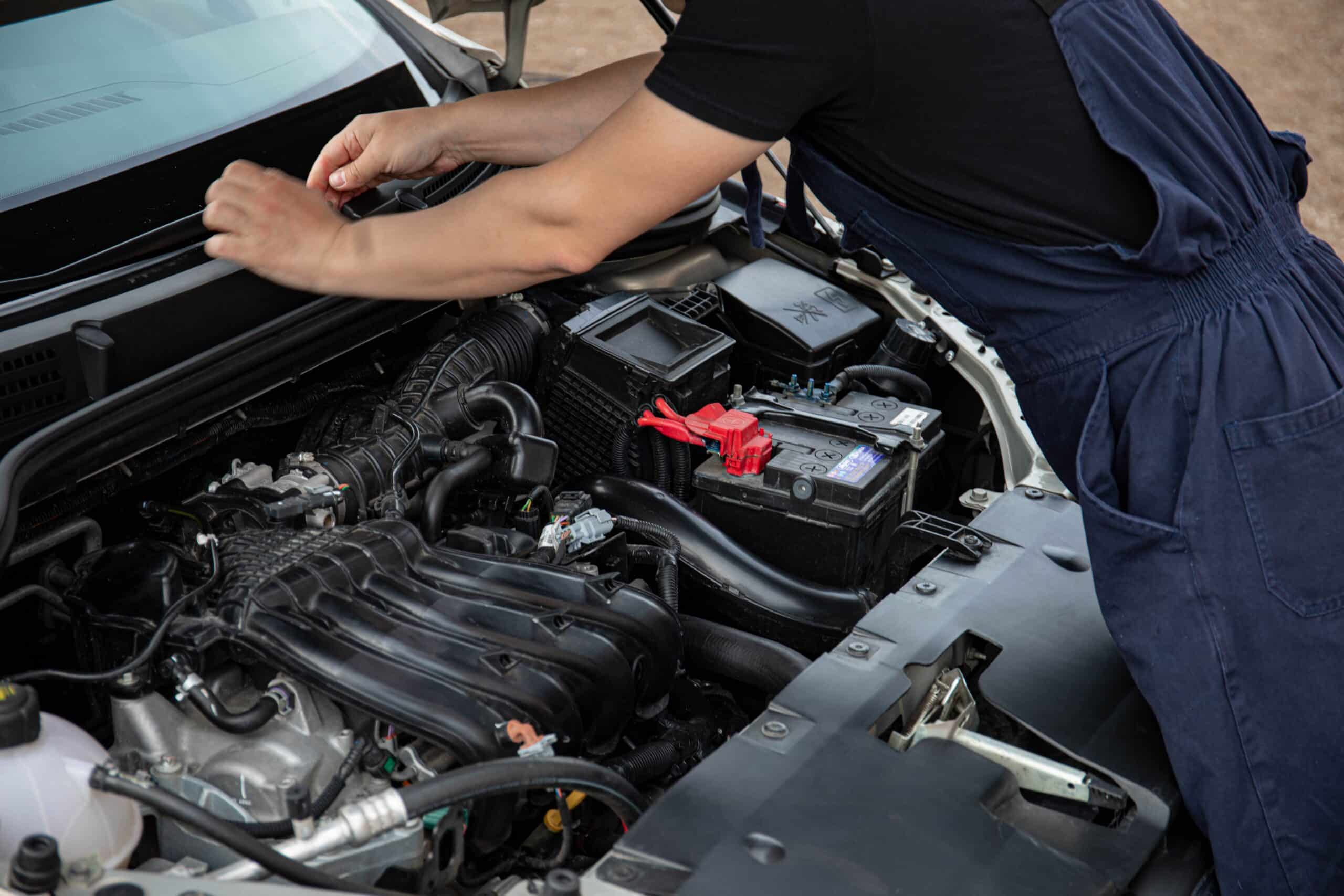
Take a look at your battery terminals. Do you notice a white, blue, or greenish buildup?
Corrosion can interfere with the connection between your battery and the rest of the vehicle. This may contribute to starting or electrical problems.
Significant corrosion deserves professional attention. A technician can inspect the battery, terminals, and connections to determine what service your vehicle needs.
How Long Does a Car Battery Last?
There isn’t one replacement schedule that applies to every vehicle.
Battery life depends on several factors, including:
- Climate and temperature
- Driving frequency
- Length of your typical trips
- Vehicle electrical demands
- Battery type and quality
- Maintenance and overall vehicle condition
Rather than replacing a battery based on age alone, testing can provide valuable information about its condition.
If your battery is getting older and you’re noticing warning signs, an inspection can help you decide whether it’s time for a replacement.
Can Summer Heat Kill a Car Battery?
Yes, excessive heat can contribute to battery deterioration.
High temperatures accelerate activity within the battery and can accelerate internal wear. The damage may occur during the summer, even if the battery continues to start your vehicle normally.
Then fall arrives. As temperatures drop, your engine may require more power to start. A battery weakened by summer heat can suddenly struggle to meet that demand. That’s one reason drivers sometimes experience a seemingly unexpected dead car battery on the first cold mornings of the season.
Is It Your Battery or Alternator?
Battery and alternator problems can cause similar symptoms, which makes them easy to confuse.
Your battery provides the power needed to start your vehicle. Once the engine is running, the alternator helps power electrical systems and recharge the battery. Possible signs of either problem include:
- Slow or difficult starts
- Dim lights
- Electrical issues
- Dashboard warning lights
- A battery that repeatedly dies
Replacing the battery won’t solve the problem if the alternator isn’t charging it properly. That’s why accurate testing matters.
McCormick Automotive can inspect the battery and charging system to determine what’s actually causing the issue.
When Should You Replace a Car Battery?
You may need to replace your car battery if testing shows that it can no longer provide reliable power.
Replacement may also make sense when an aging battery shows several signs of failure. For example, slow starts combined with repeated jump-starts deserve attention.
Don’t wait for complete failure if your battery is already struggling. Replacing a failing battery on your schedule is much easier than dealing with a vehicle that won’t start when you need it.
Why Test Your Battery Before Fall?
Late summer is an ideal time to check your vehicle before temperatures begin to drop. A battery test can help:
- Identify a weakening battery
- Reduce the risk of an unexpected no-start
- Catch charging-system problems
- Give you time to address issues before colder weather
- Provide peace of mind heading into another Colorado season
It’s a simple preventative maintenance step that can save you from an inconvenient breakdown later.
If your battery struggled through the summer, don’t wait for the first cold morning to find out whether it has another season left. Schedule a battery test with McCormick Automotive.
How to Help Prevent a Dead Car Battery
You can’t prevent every battery failure, but a few habits can help you catch problems earlier.
- Pay attention to slow or unusual starts.
- Don’t ignore battery or electrical warning lights.
- Have an older battery tested regularly.
- Address corrosion around the battery terminals.
- Have repeated battery failures professionally diagnosed.
- Include your battery in routine vehicle inspections.
Most importantly, don’t assume a jump-start has solved the underlying problem. If your battery keeps dying, find out why.
Why Choose McCormick Automotive for Battery Service?
At McCormick Automotive, we don’t want to replace parts based on guesswork. Our team can test your battery and inspect the charging system to determine what’s causing your vehicle’s symptoms.
Whether you need preventative battery testing, electrical diagnostics, or a new battery, we’ll explain what we find and recommend the appropriate next step. Our experienced team provides:
- Battery testing
- Charging-system diagnostics
- Battery replacement
- Electrical diagnostics
- Preventative vehicle maintenance
- Honest recommendations
We understand the demands Colorado’s changing seasons place on your vehicle. Our goal is to help you catch problems early and keep your car reliable throughout the year.
Don’t Wait for a Dead Car Battery
A weak car battery often gives you warning signs before it fails. Slow starts, electrical problems, repeated jump-starts, and an aging battery can all signal that it’s time for a closer look.
Testing your battery before the seasons change gives you the chance to address a problem on your terms. You won’t have to wait until your car refuses to start.
Think your battery may not survive another season? Schedule a battery test with McCormick Automotive today and make sure your vehicle is ready for the road ahead.