It’s a January morning in Fort Collins; the windshield is iced over, and when you turn the key, you get a click, a slow groan, or nothing at all. Cold weather rarely creates a starting problem out of nothing. It finds the battery, starter, or connection that was already getting weak and pushes it past the point where it can start the engine.
What your car does when you try to start it says a lot about the cause, and the sections below walk through how to read those clues, what you can safely check yourself, and when it’s time to have a mechanic test the system. This guide covers gas and diesel vehicles.
Key Takeaways
- Cold weather cuts the power a battery can deliver while thicker oil makes the engine harder to turn over, so a battery that was barely getting by in the fall can fail on the first freezing morning.
- The sound your car makes when you try to start it (clicking, a slow crank, a normal crank that never fires, or silence) narrows down the likely cause.
- If the battery tests good, the alternator, starter, battery cables, or a parasitic drain are the next places to look.
- Diesel trucks have their own cold-weather problems, including failing glow plugs and gelled fuel.
- Cranking over and over can make things worse, and testing the starting and charging system is a better first step than replacing parts on a guess.
Why Cold Mornings Are Hard on Your Car’s Starting System
A few things happen at once when the temperature drops below freezing, and they all work against you.
- Your battery has less power to give. A battery makes electricity through a chemical reaction, and that reaction slows down in the cold, so the battery can’t deliver as much current as it does on a mild day.
- Your engine is harder to turn over. Motor oil thickens in the cold, which means the starter has to work harder to spin the engine at the moment the battery has the least to offer.
- Fuel doesn’t vaporize as easily. Gasoline has to turn to vapor to ignite, and cold air and a cold engine slow that down, so the engine may need more cranking before it fires.
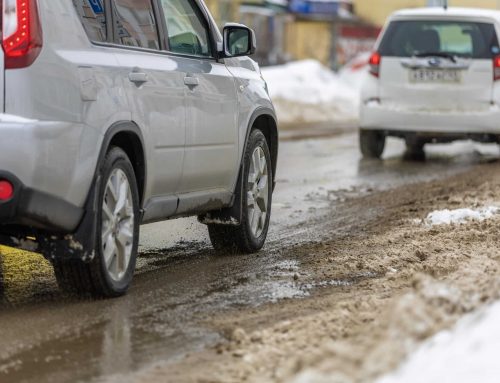
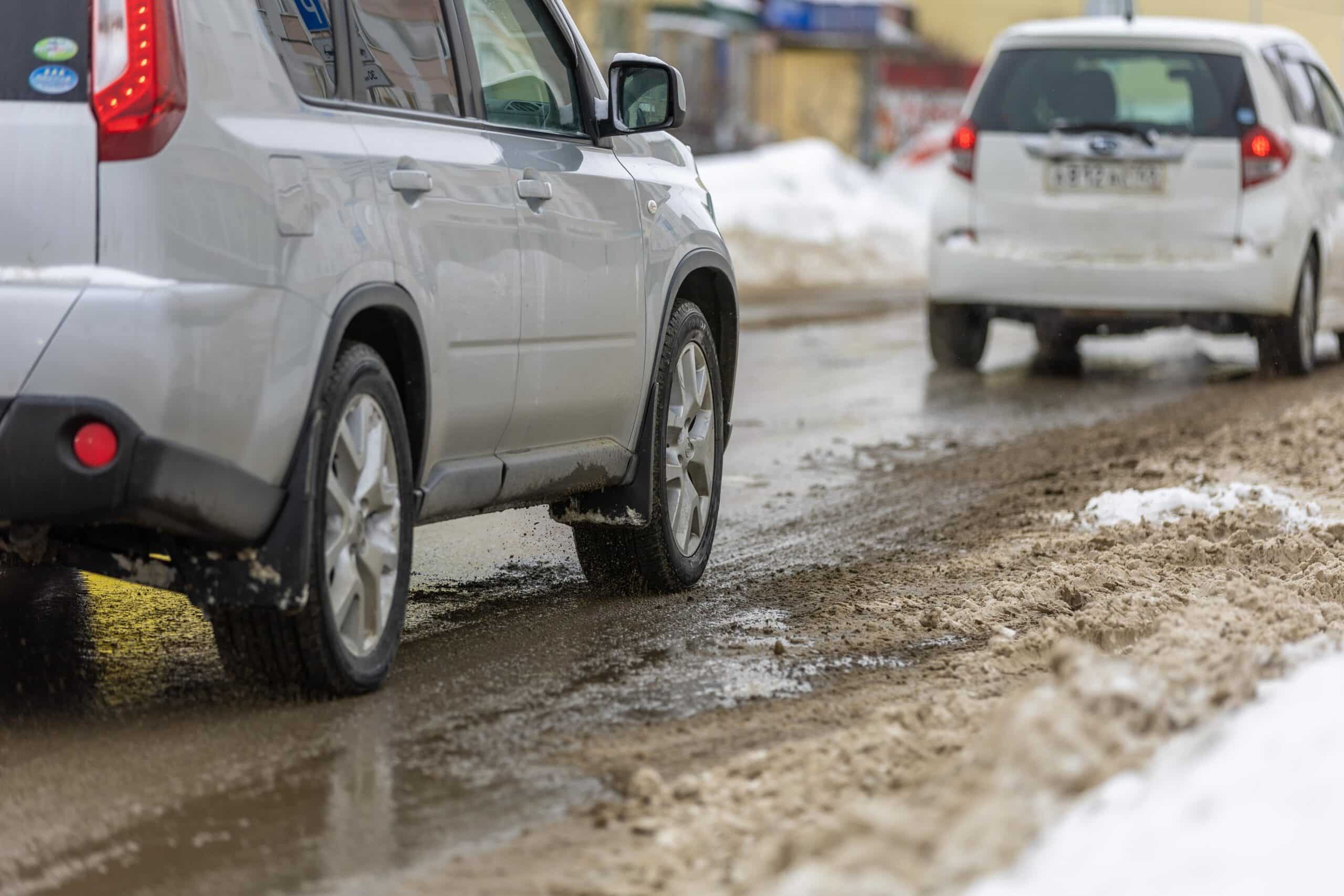
Northern Colorado nights regularly drop below freezing from late fall into spring, and a car parked outside overnight starts the morning as cold as the air around it. That’s why a battery or starter that made it through October without a hint of trouble can quit on the first frigid morning in December.
What Your Car Is Doing Points to the Likely Cause
Pay attention to what happens when you turn the key or press the start button. It narrows down the problem, and it’s one of the most useful details you can give your mechanic.
Clicking or No Crank, With Dim Dash Lights
A rapid clicking sound, or dash lights that dim or flicker when you try to start, usually means the battery doesn’t have enough charge to turn the starter. Loose or corroded battery terminals cause the same symptom because they block the power the battery does have. If your battery is a few years old, look over these signs your battery may not survive another season.
A Slow, Labored Crank
When the engine turns over slowly, as if it’s struggling, the battery may be weak, the oil may be too thick for the temperature, or the starter may be wearing out. A crank that sounds a little slower every morning is your warning to get the battery tested before it stops starting the car altogether.
Cranks Normally but Won’t Start
If the engine spins at its usual speed but never fires, the battery and starter are probably doing their job. The cause is more likely fuel delivery (such as a weak fuel pump or a clogged fuel filter), worn spark plugs, or a sensor that isn’t sending the right signal to the engine computer.
No Sound at All, but the Lights Work
When the dash lights and headlights come on, but nothing happens as you try to start, the starter, the ignition switch, or a starter relay could be at fault. On cars with push-button start, a dead battery in the key fob can also keep the car from recognizing the key. Many vehicles have a backup way to start with a weak fob, and your owner’s manual will show you where it is.
Starts, Then Stalls
An engine that fires and dies within a few seconds often points to a fuel supply or idle control problem. These issues tend to show up first in the cold because a cold engine needs extra fuel and a steady idle to keep running.
When the Battery Tests Good but Your Car Still Won’t Start
A good battery test rules out one cause, and several other parts can still keep a car from starting on a cold morning.
- Alternator: The alternator recharges your battery while you drive. When it’s failing, the battery slowly runs down, and short winter trips with the heater, headlights and defroster running make it worse. A battery that tests fine after a full charge but keeps going dead is a common sign.
- Starter: A worn starter can need more current than usual to turn the engine, and the cold exposes that weakness. No-starts that come and go are common as a starter fails.
- Battery cables and connections: Loose, corroded or damaged cables, including the ground cable, can block current even when the battery itself is healthy.
- Parasitic drain: Something that stays on after the car is off, like a glove box light, an aftermarket accessory, or a faulty module, can slowly drain a good battery overnight, and a cold battery has less charge to spare.
Diesel Trucks: Glow Plugs and Fuel Gelling
Diesel engines don’t have spark plugs. They rely on the heat from compressing air to ignite the fuel, which makes cold mornings harder on them. Glow plugs warm the combustion chambers before you start, and when one or more fail, a diesel may crank for a long time, run rough or blow white smoke until it warms up. Wait for the glow plug light on your dash to go out before you crank.
Diesel fuel can also gel in very cold weather. Wax in the fuel thickens and can clog the fuel filter, starving the engine. Winter-blend diesel and anti-gel additives lower the risk, and a block heater (if your truck has one) makes cold starts easier. A truck that has already gelled usually needs to be warmed up and may need a new fuel filter before it will run right.
What You Can Safely Check at Home
A few simple checks can save you time before you call for help.
- Look at the battery terminals. White or blue-green crust or a loose clamp can block power. If you clean them, wear gloves and eye protection.
- Try your spare key fob if your car has push-button start and won’t recognize the key.
- Turn off the heater fan, headlights and rear defroster before you try again so all of the battery’s power goes to the starter.
- Crank in short attempts. Crank for about 10 seconds at most, then wait a minute or two before the next try. Long cranking can overheat the starter and drain what’s left of the battery.
- Jump-start the right way. Follow your owner’s manual, connect positive to positive first and attach the last negative clamp to bare metal on the dead car’s engine, away from the battery. If the car starts with a jump but won’t start on its own the next morning, have the battery and charging system tested.
When to Stop Trying
Stop and call for help if you smell fuel or something burning, see smoke, hear grinding from the starter or the car still won’t start after a few short attempts or a jump. Pushing past that point can turn a battery or starter problem into a bigger repair.
When It’s Time for a Mechanic
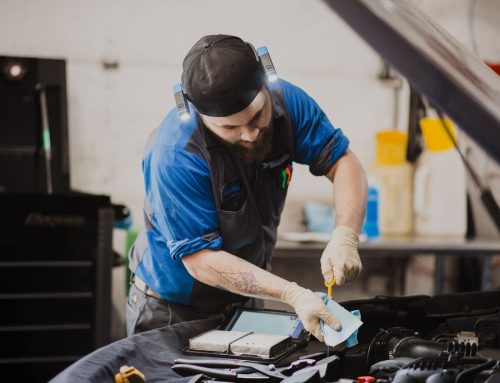
Some no-start problems take the right equipment to find. At McCormick Automotive, our technicians test the battery, starter, and charging system to pinpoint what’s causing the problem before recommending a repair, so you aren’t paying for parts your car didn’t need.
Every visit includes a digital safety inspection with photos, so you can see what we see. We’ll tell you what needs attention now and what can wait.
How to Prevent a Cold-Morning No-Start
- Have your battery tested before winter, especially if it’s more than three years old.
- Keep the battery terminals clean and tight.
- Take a longer drive now and then, since short trips may not give the alternator enough time to recharge the battery.
- Use the oil viscosity your vehicle manufacturer recommends.
- Park in a garage on the coldest nights if you can.
Our winter car maintenance checklist covers the rest of your vehicle, and our vehicle winterization service runs your car through a digital safety inspection before the coldest weather sets in.
Car Won’t Start in the Cold FAQs
Why does my car start in the afternoon but not in the morning?
Overnight is when temperatures are lowest, so your battery has the least power, and your oil is at its thickest. A battery or starter that’s wearing out may have just enough to start the car on a warmer afternoon and not enough on a freezing morning. That pattern is a good reason to get the battery tested soon.
Can cold weather kill a healthy car battery?
A healthy, fully charged battery usually makes it through a Colorado winter. Cold weather tends to expose a battery that was already old, weak, or undercharged. A battery that’s fully drained can also freeze, which can damage it for good.
How long should I wait between attempts to start my car?
Wait a minute or two between attempts, and keep each attempt to about 10 seconds. That gives the starter time to cool and the battery a moment to recover.
Is it bad to keep cranking a car that won’t start?
Yes. Cranking over and over can overheat the starter and drain the battery completely, and on a car with a fuel or ignition problem, it rarely gets the engine running.
Get Your Car Started Again at McCormick Automotive
McCormick Automotive has served Fort Collins drivers since 2007. If your car won’t start and can’t be driven, call our tow line at 970-893-3297 for a tow to our shop on West Horsetooth Road. If you can get it to us but can’t wait around, leave your keys in our key drop box, and our free shuttle can take you where you need to go. Repairs are backed by our warranty.
Call or text 970-472-2030 or schedule an appointment to have your battery, starter, and charging system tested at McCormick Automotive.